Who Carnival is for
Carnival sells the cruise that does not require a plane ticket. It operates out of more American homeports than any other line (Miami, Galveston, New Orleans, Port Canaveral, Tampa, Charleston, Baltimore, Jacksonville), and a very large share of its calendar is three, four and five nights long.
The result is a vacation with a low activation cost. You drive to the port, you sail for a long weekend, you drive home. For a first cruise, or a second one taken without much planning, that is a real advantage and it is why the line carries the passenger numbers it does.
The onboard style follows from the same logic: informal, loud in the good places, quiet in the ones you would want quiet, and priced so that a family of four is not making a serious financial decision.
What to know before you book
The short sailings are genuinely short. A three-night cruise is two full days and two nights, one of which is a sea day. It is a taster rather than a vacation, and people who expected the latter are the ones who come back disappointed.
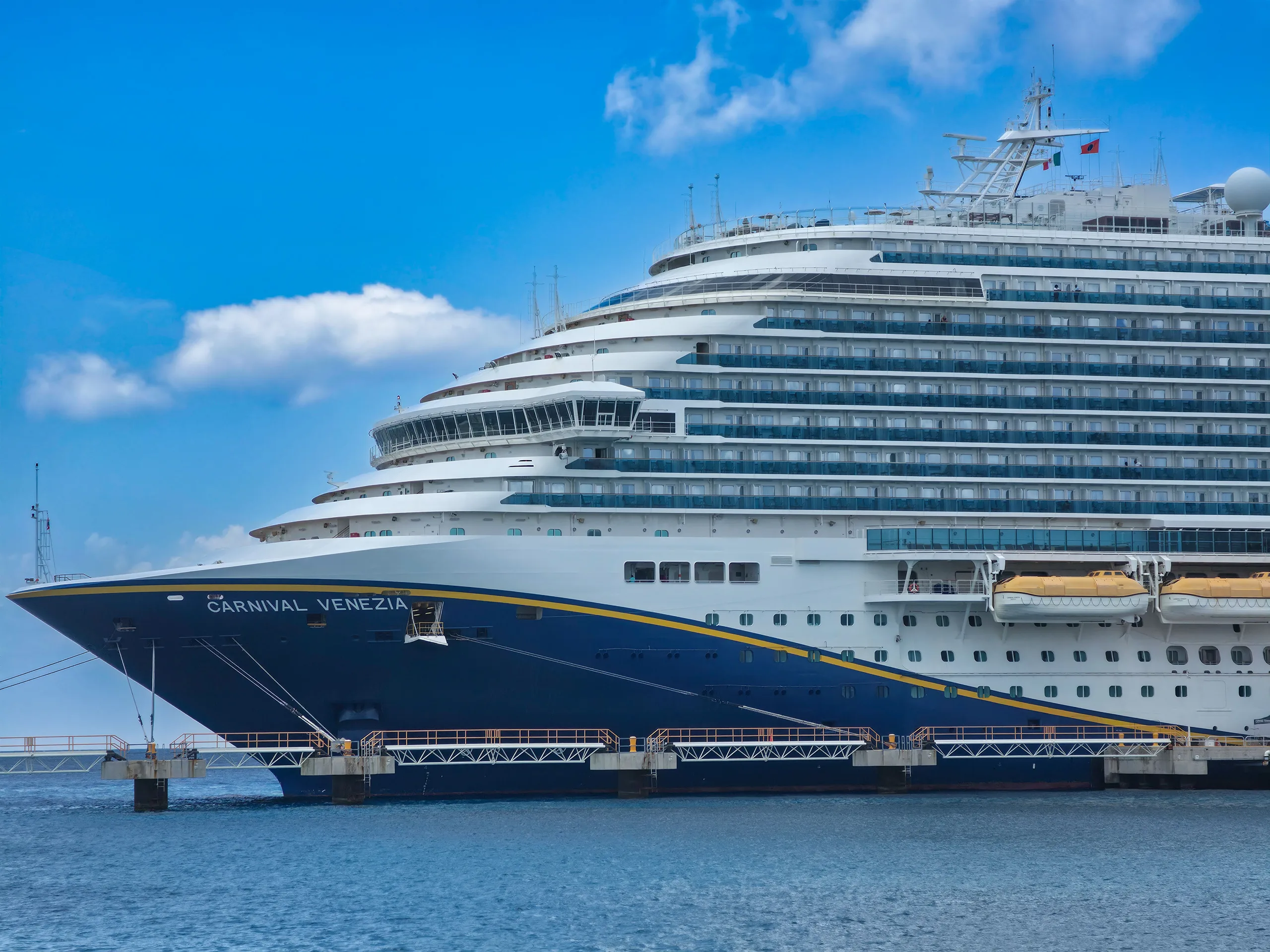
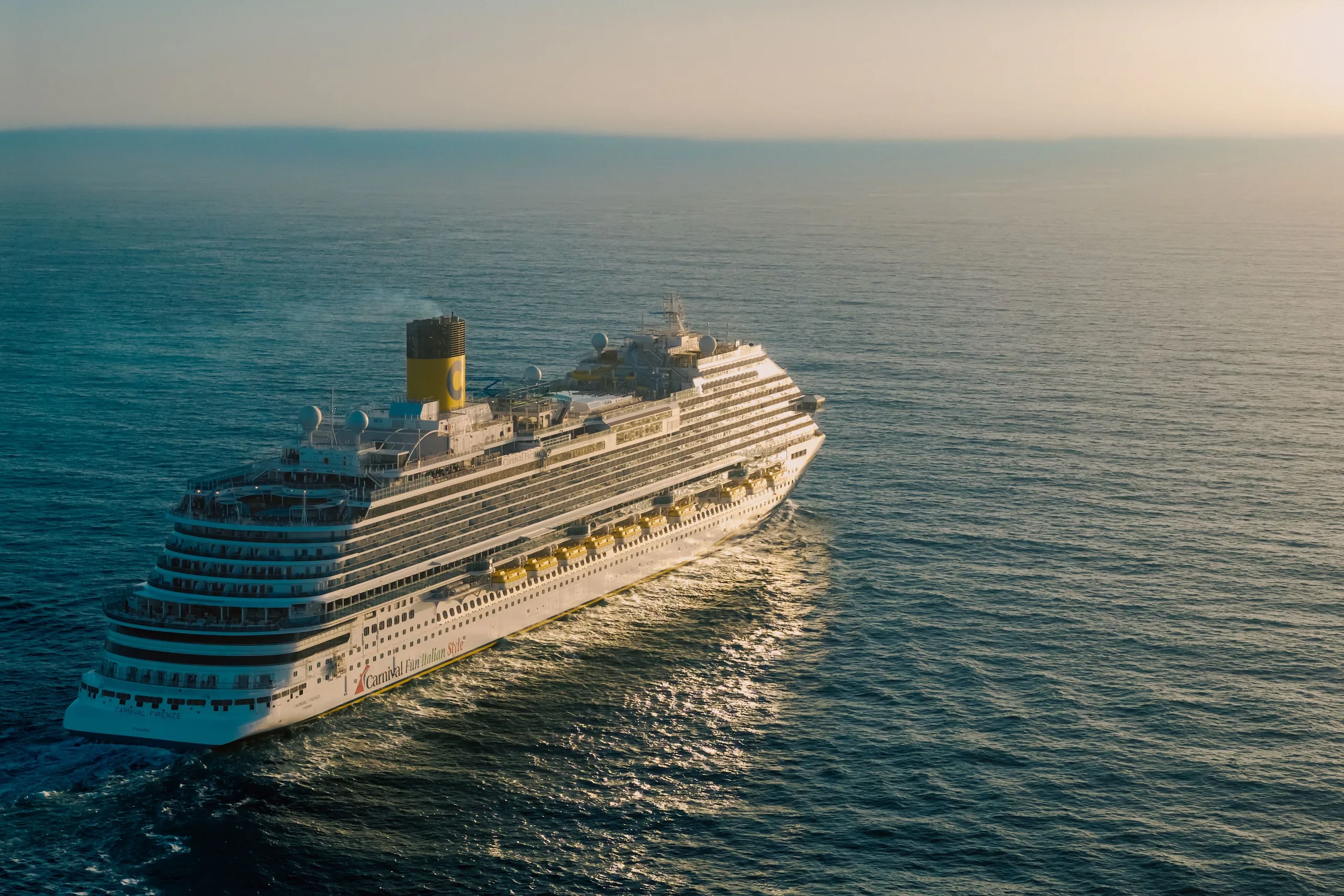
Check which ship, not just which port. Carnival’s fleet spans twenty-plus years of shipbuilding. The newest ships are very good; the oldest are comfortable and plain.
Drive-to is worth real money. Two flights and a hotel can cost more than the cruise on a short sailing. The nearest homeport is often the best-value one even if the itinerary looks less exciting on paper.