Why Alaska
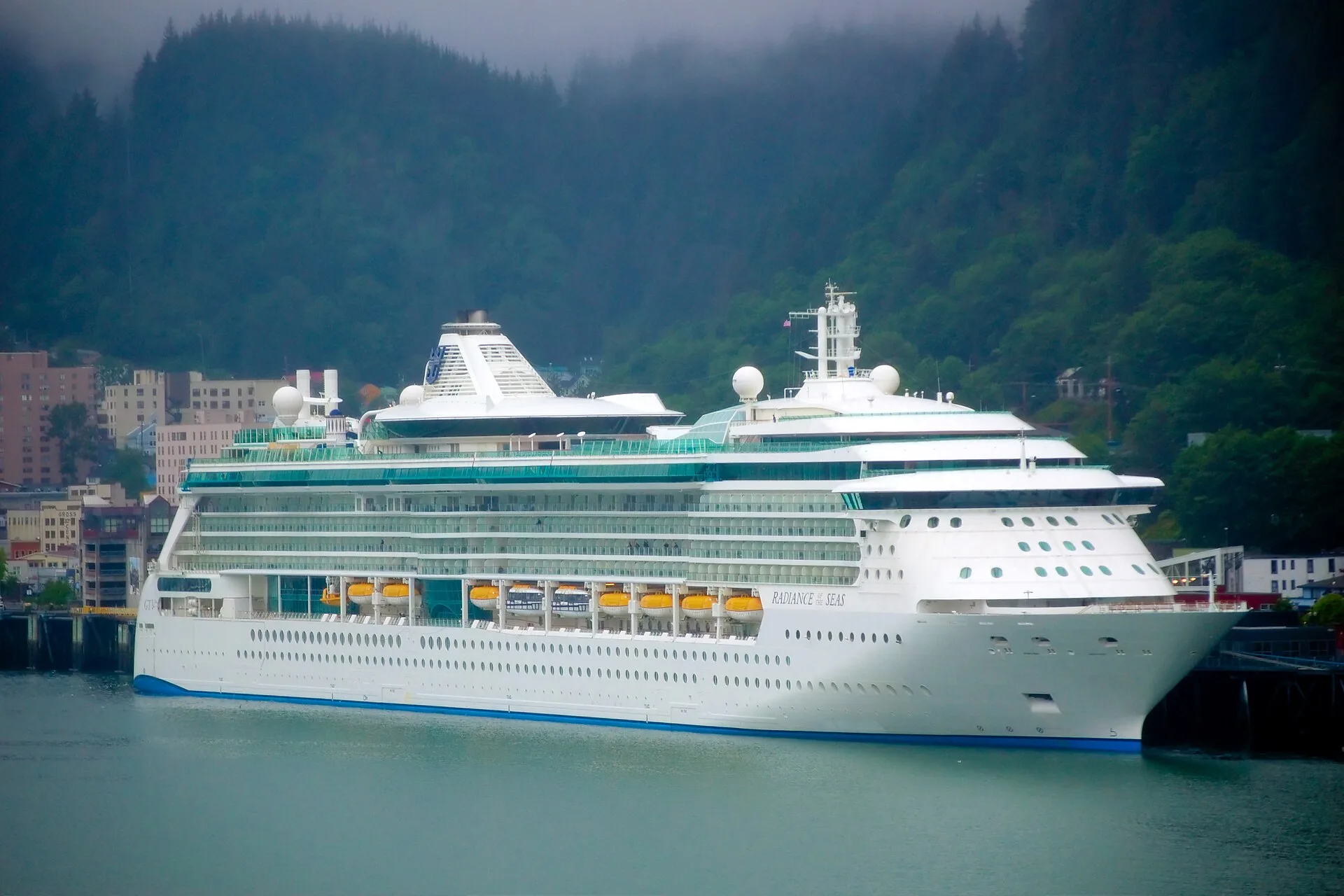
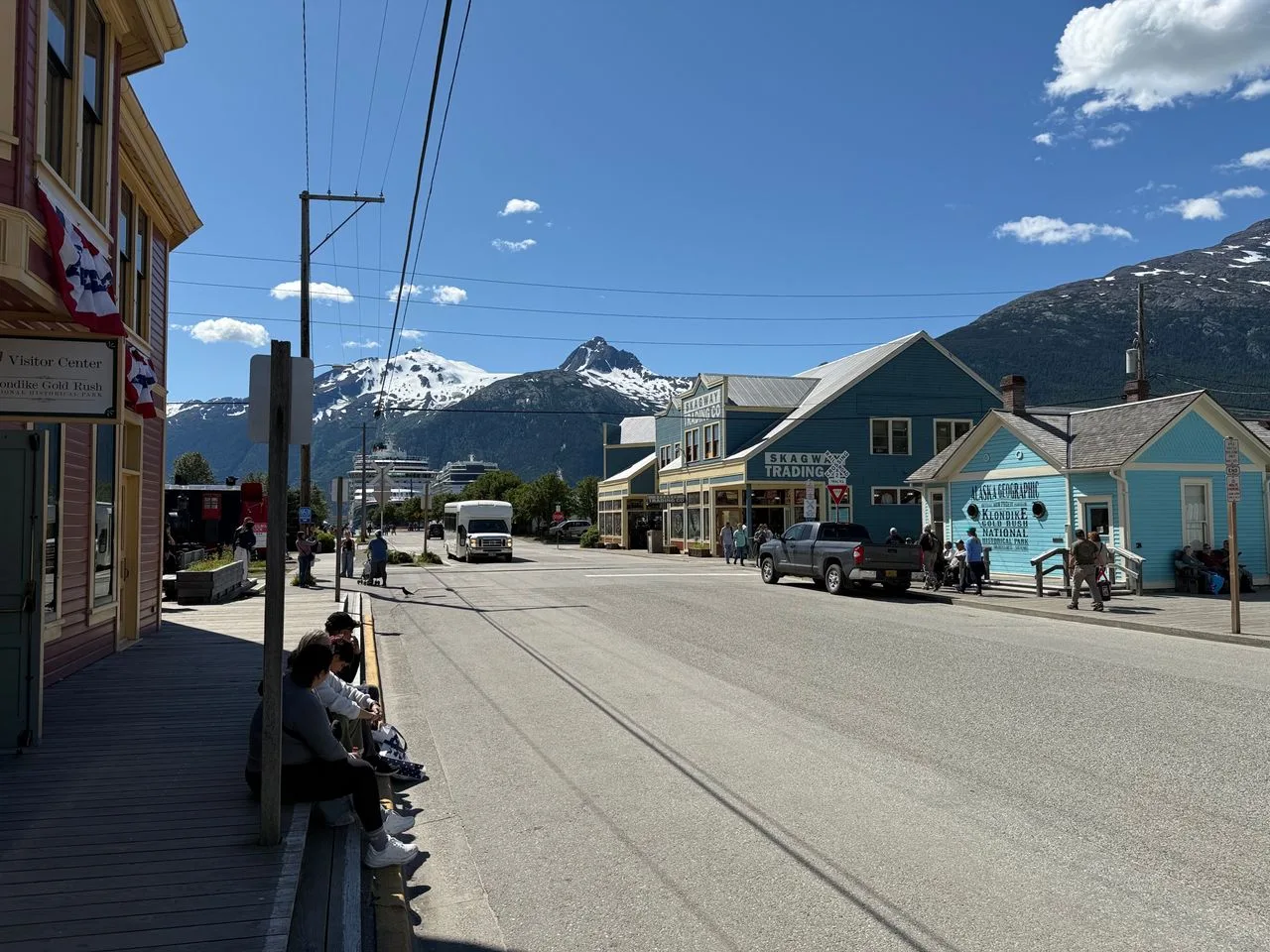
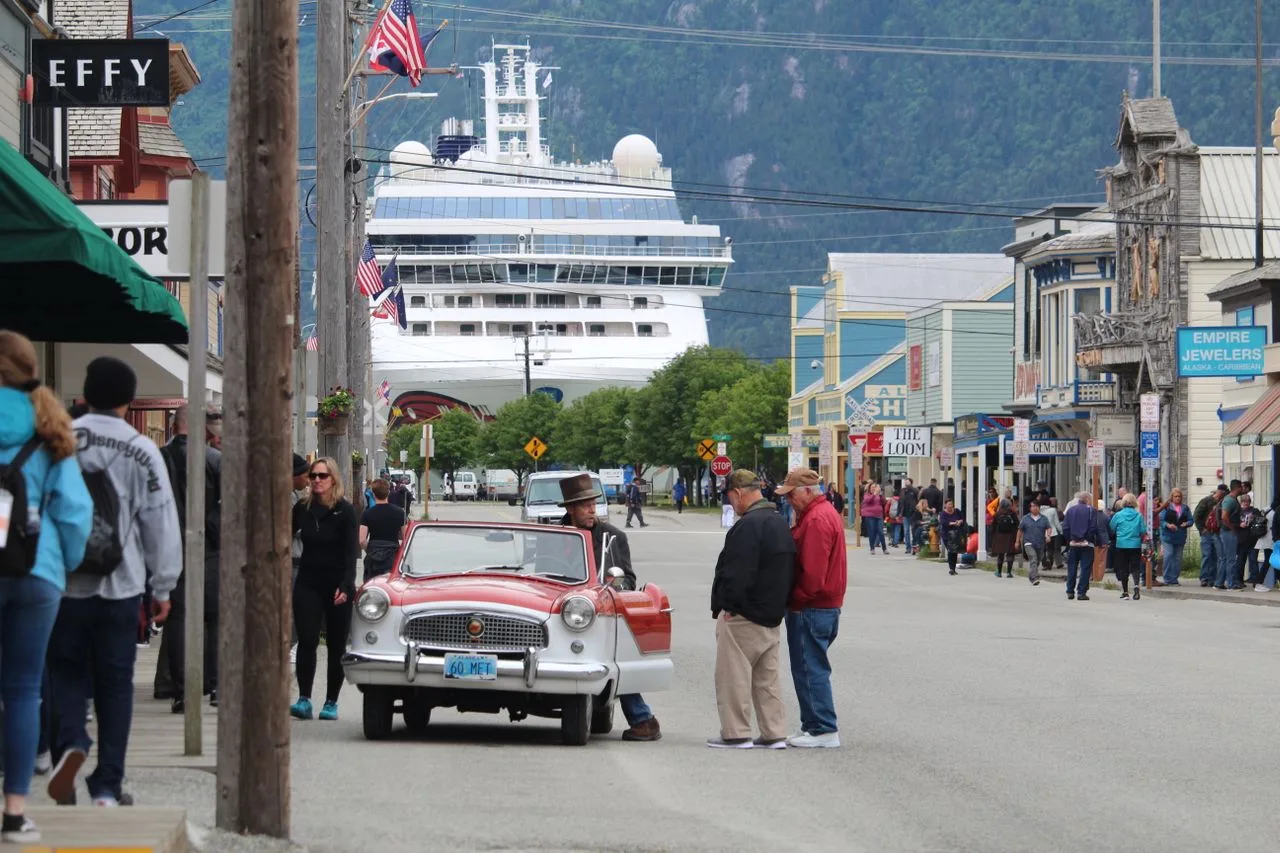
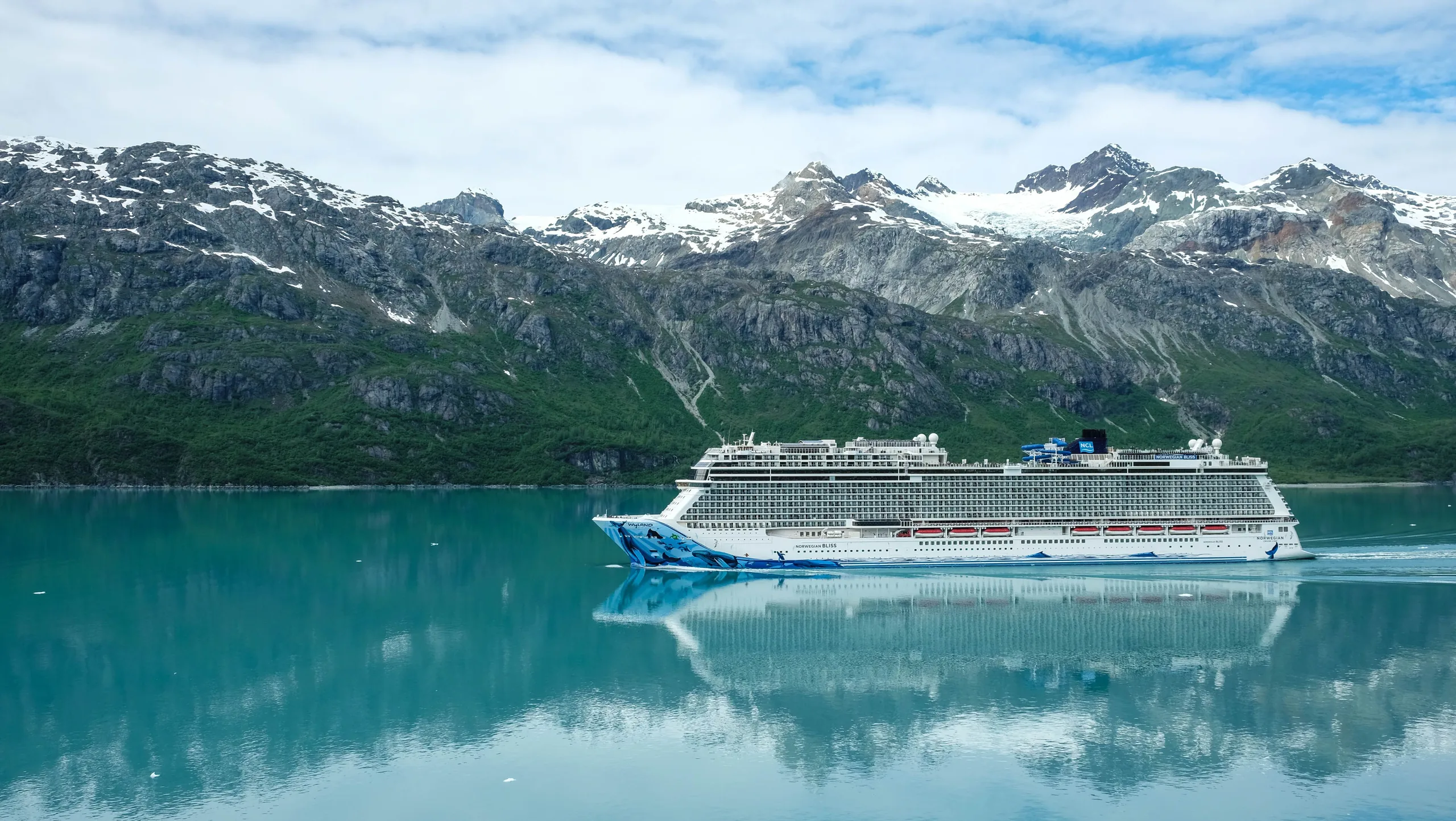
Alaska is the one destination where the ship is unambiguously the right way to travel. The Inside Passage towns (Juneau, Skagway, Ketchikan) have no road connecting them to the rest of North America. A cruise is the only practical way to see them in one trip.
It is also the shortest season in cruising. Ships reposition north in May and leave in September, which is why the fleet here is small relative to the Caribbean and why cabins for July sell out the previous fall.
The two shapes of an Alaska cruise
Round-trip from Seattle or Vancouver. Seven nights, back where you started, no one-way flights to arrange. Seattle sailings are required by law to call at a Canadian port, which is why Victoria appears on so many of them, usually as a short evening stop.
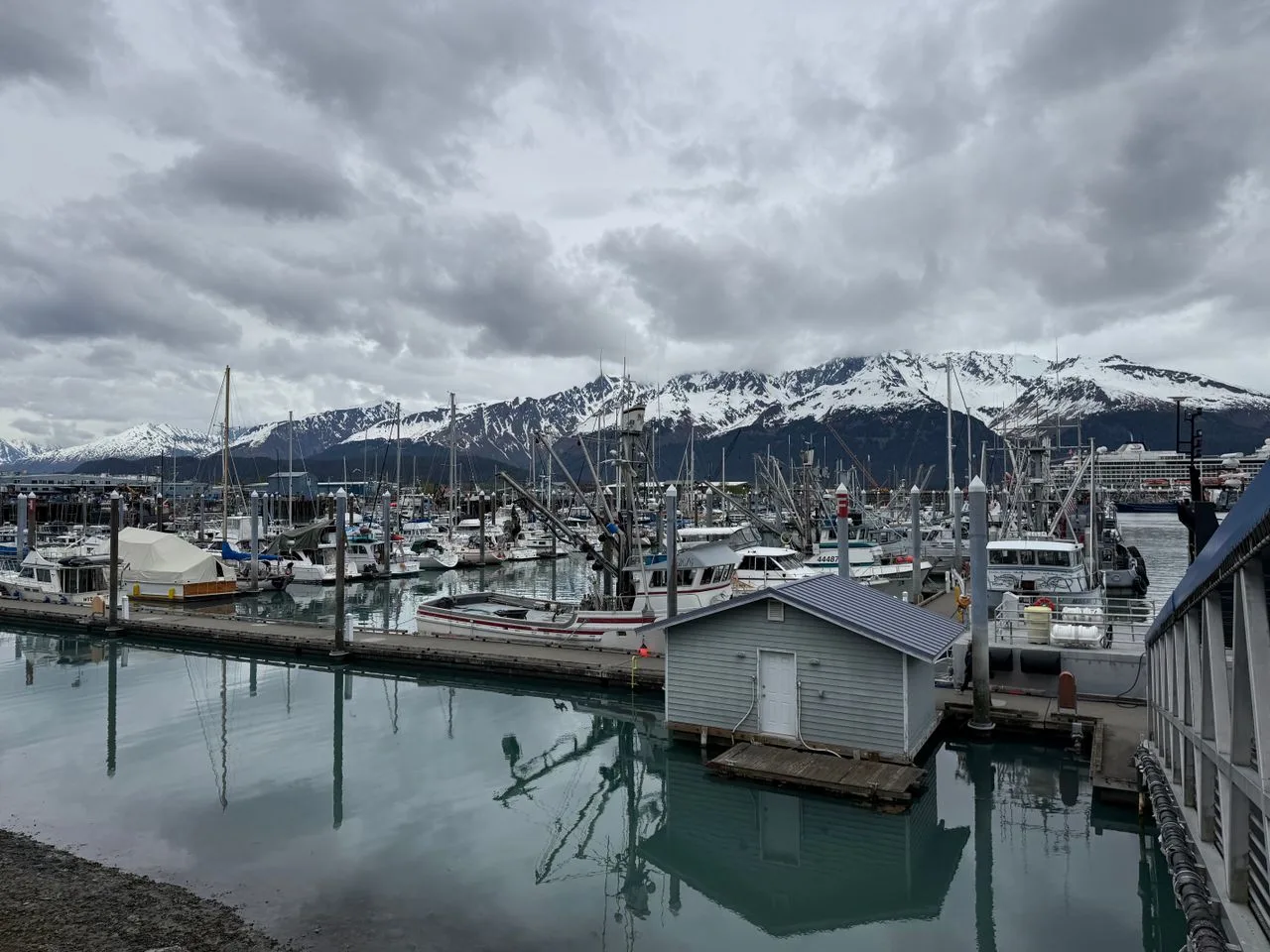
One-way between Vancouver and Whittier or Seward. Sails further north, into Glacier Bay and Hubbard Glacier, and connects to the land tours that reach Denali. More logistics, more Alaska.
Glacier days are the itinerary
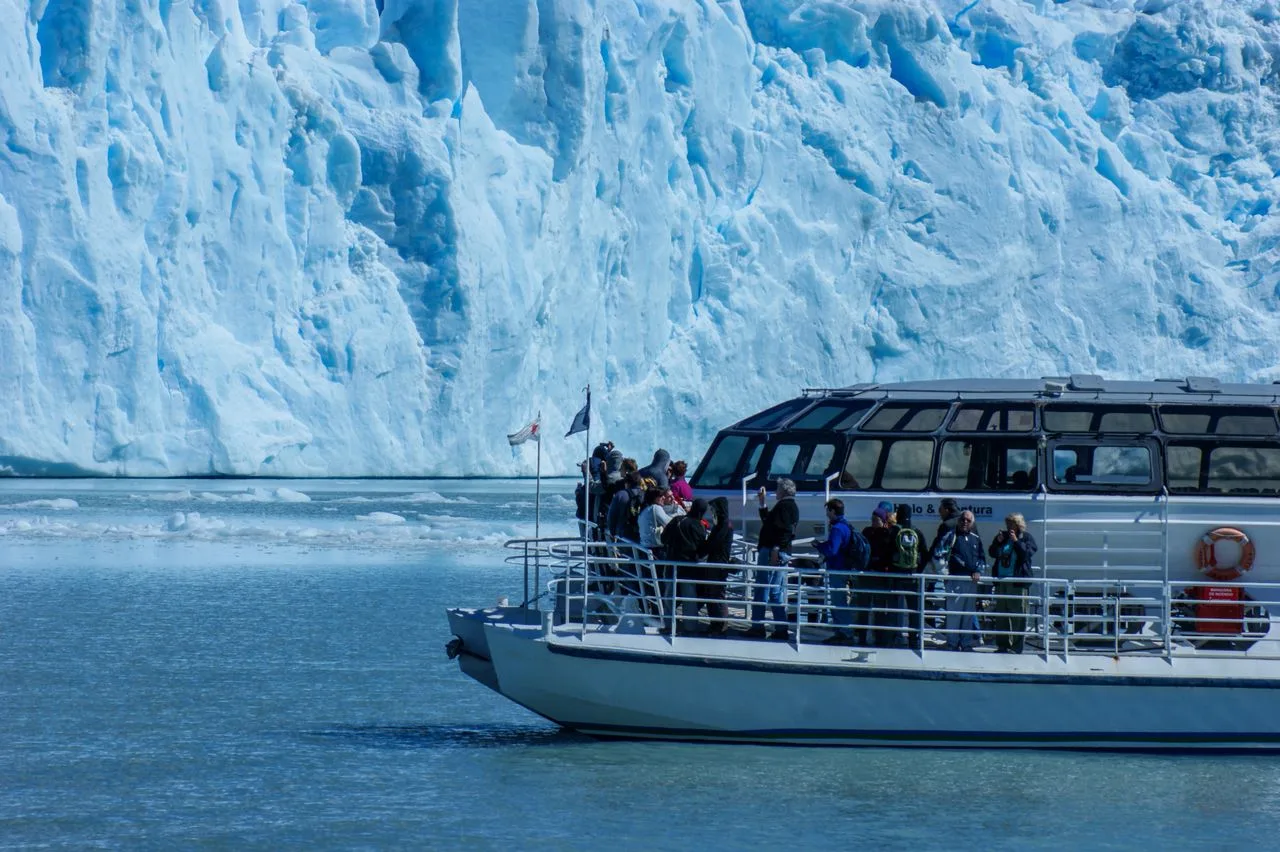
The single biggest difference between two Alaska sailings is which glacier they enter, so read the day-by-day before you book:
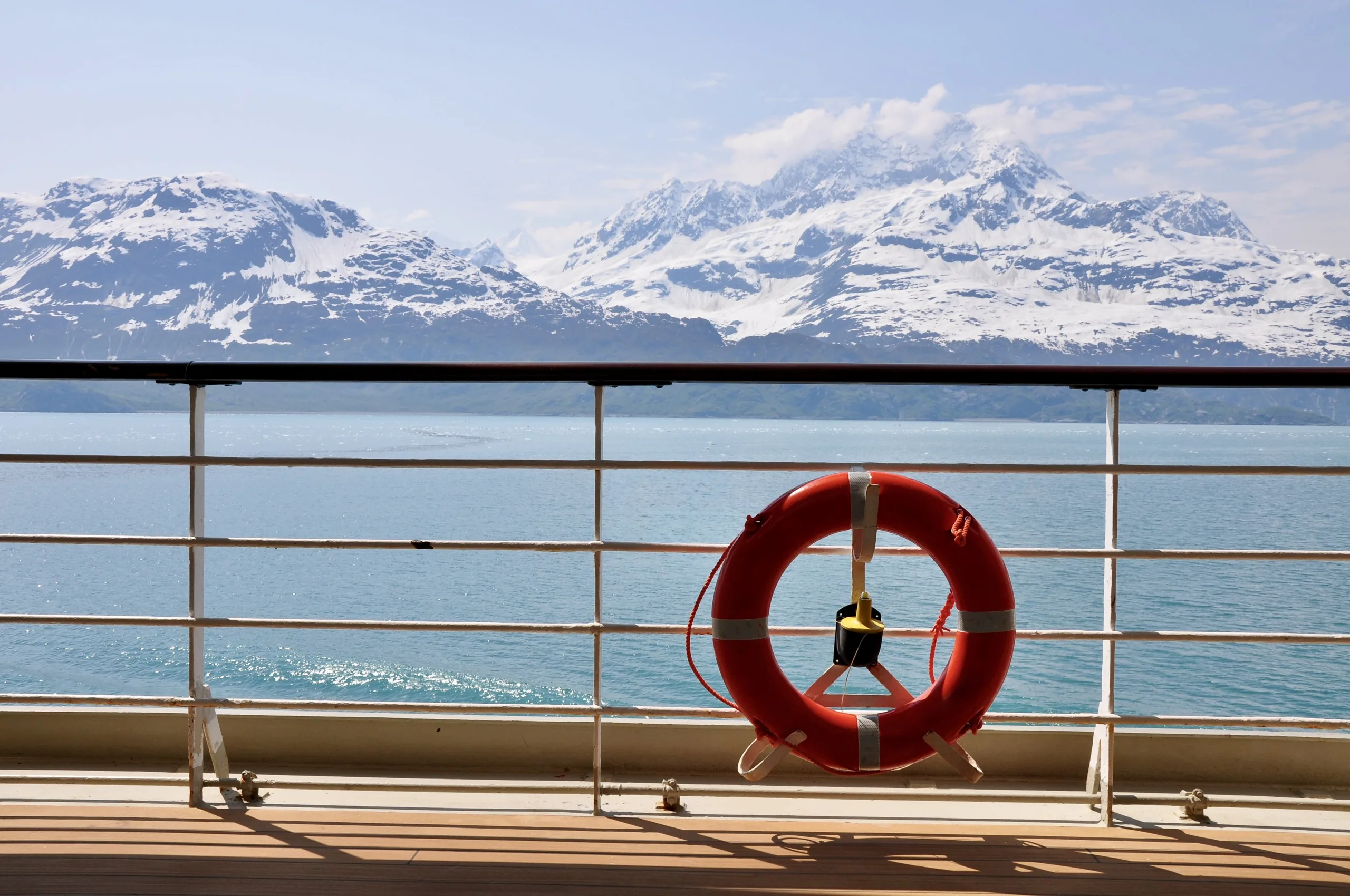
- Glacier Bay National Park: the one most people mean. The Park Service caps how many ships may enter per day, which makes it a genuinely scarce itinerary feature. Rangers board the ship for the day.
- Hubbard Glacier: the largest tidewater glacier in North America and the most reliably active; if you want to watch ice calve, this is the better odds.
- Tracy Arm / Endicott Arm: a narrow fjord approach, spectacular, but ships turn back when the ice is too thick, so it is the least certain of the three.
What to know before you book
Bring a rain shell, not an umbrella. Ketchikan averages over a hundred inches of rain a year. The weather is part of the place and the tours run regardless.
Book the balcony. This is the one region where we say that flatly. Scenery happens all day, at whatever hour it happens, and a verandah is the difference between watching it and going to find somewhere to watch it from.