Why sail the canal
Most cruise days are about where the ship stops. This one is about the ship. A full transit takes eight to ten hours: three chambers at Gatún lift you eighty-five feet to the level of an artificial lake, you cross the continental divide through the Culebra Cut, and three more chambers at the Pacific end set you back down at sea level. Passengers get up early for it, stay up on deck all day, and talk about it for years.
Full transit or partial
The distinction is the single most important thing to check before booking, and the brochures blur it:
- A full transit goes ocean to ocean. It is a repositioning-shaped itinerary, Fort Lauderdale to Los Angeles or the reverse, so it needs ten to fifteen nights and two one-way flights.
- A partial transit enters the Gatún locks from the Caribbean, spends the day on Gatún Lake, and comes back out the way it came. You see the locks and the lake, but not the Pacific side, and you finish where you started. It fits in a round-trip week from Florida.
Both are listed here. Read the day-by-day: “Panama Canal” on an itinerary that begins and ends in the same Florida port is a partial, every time.
The rest of the itinerary
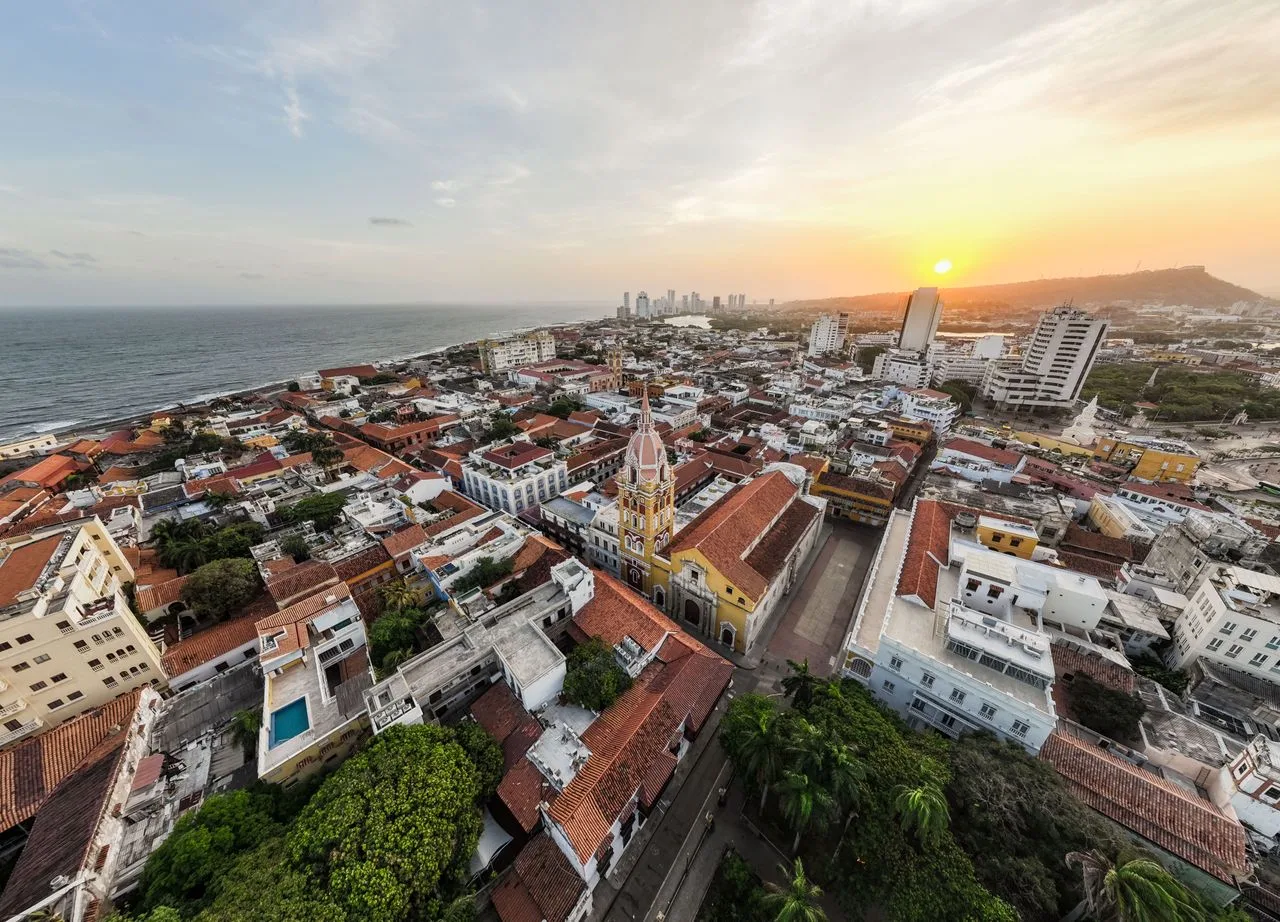
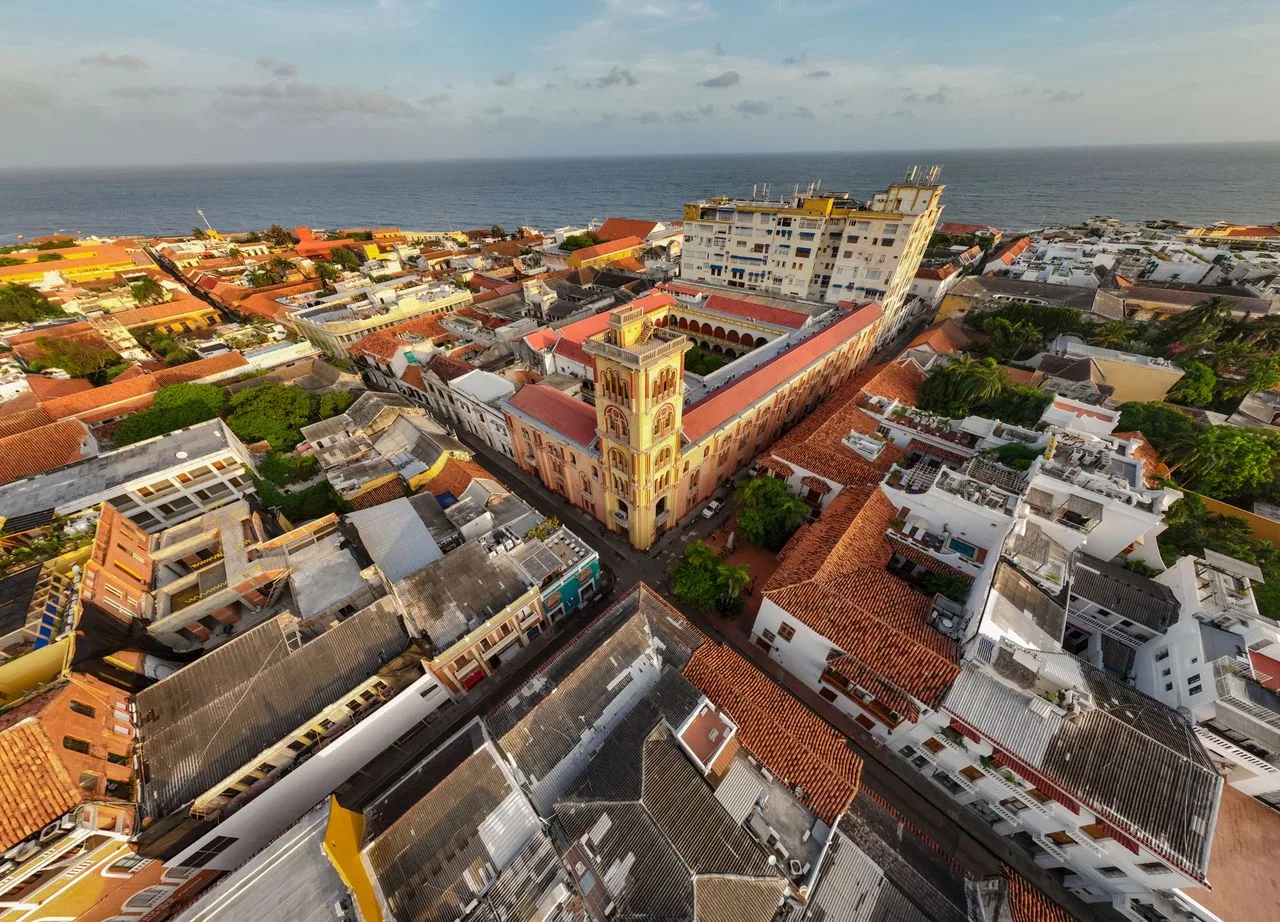
Canal sailings pick up ports that appear on very little else, Cartagena’s walled city in Colombia, Puntarenas for the Costa Rican cloud forest, Puerto Limón, and often Aruba or Curaçao on the Caribbean leg. For a lot of passengers these are the reason to book rather than a bonus.
What to know before you book
Book a forward-facing vantage point, not a balcony. The interesting view on transit day is straight ahead into the lock chamber, and everyone ends up on the bow or the top deck regardless of cabin.
Transit day starts before dawn. Ships enter the first locks around six in the morning. Sleep the night before.
It is hot and humid. Nine degrees north, at the end of the dry season, on a steel deck. Water and a hat.