Santorini
A drowned volcano with a town balanced on the rim of it, and the most photographed arrival in the Mediterranean.
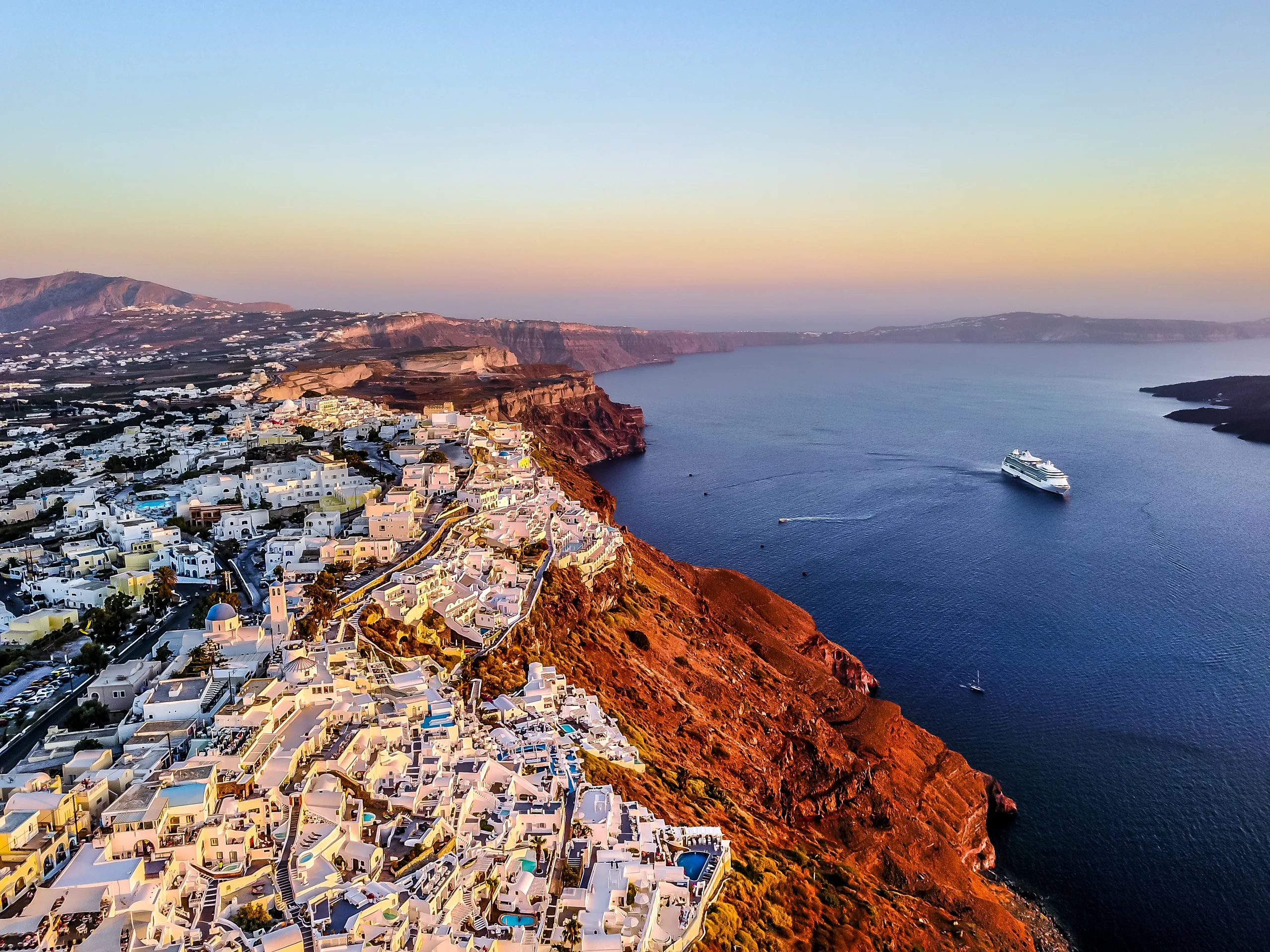
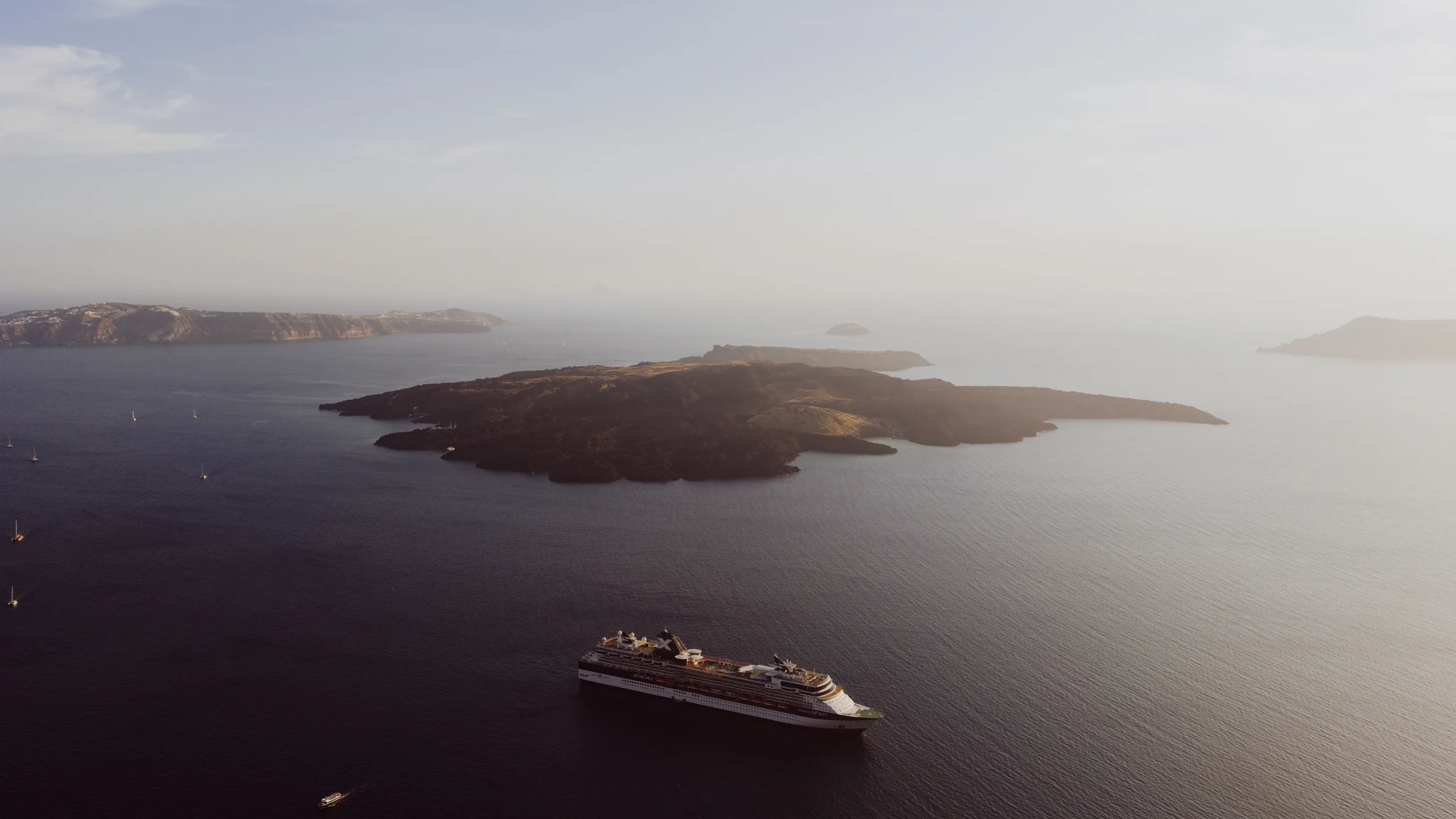
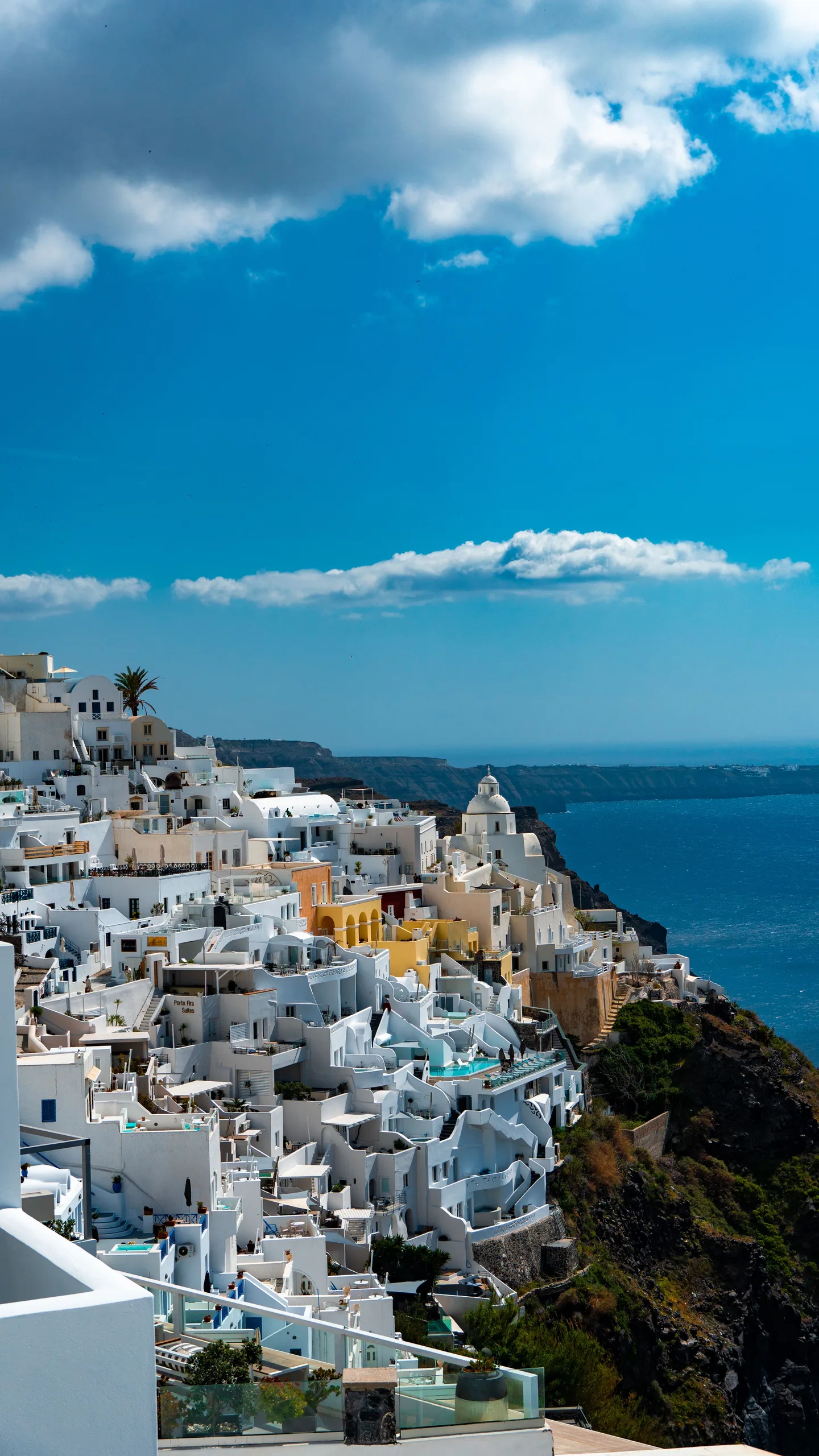
Santorini is the rim of a volcano that blew its middle out around 1600 BC. The caldera is now a bay two thousand feet deep, which is why your ship anchors in it rather than tying up: there is no bottom to put a pier on.
Plan the tender, not the day. Everything about a Santorini call is downstream of getting ashore and back. Ships run tenders continuously, but four thousand people funneling into one cable car with a capacity of thirty-six is the actual constraint. Go early, come back before the last hour, and if the ship offers a tour it is buying you a place in the tender line as much as a bus.
A stiff meltemi wind cancels the call outright. Santorini is skipped more often than almost any port in the Mediterranean, most commonly in July and August when the meltemi blows hardest. If this is the stop the vacation is being chosen for, an itinerary that also calls somewhere sheltered is worth preferring.
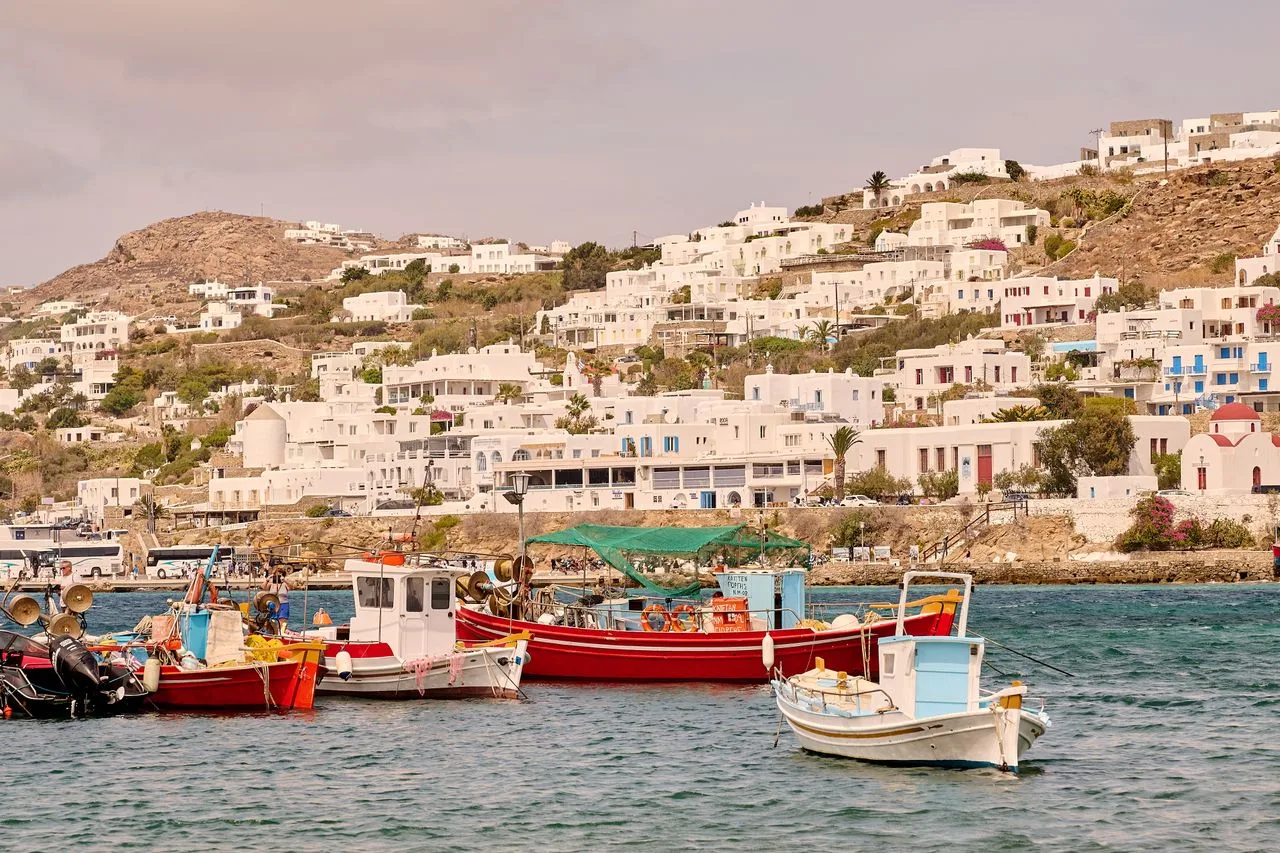
Fira or Oia, rarely both properly. Fira is where the cable car lands and where the shops are. Oia is twenty minutes north by bus and is the prettier town by a distance. Doing one well beats doing both at a jog.
Worth the Day
- The cable car up the caldera wall: six minutes, and the line down is worse than the line up
- Oia at the north end, for the blue domes and the sunset everyone has seen a photograph of
- Akrotiri, a Bronze Age town buried by the eruption and excavated under a roof
- The black sand at Perissa, on the far side of the island and half as busy