Why the Galápagos are different
Everything else in this catalog is a vacation. This is closer to an expedition, and the differences are structural rather than a matter of tone.
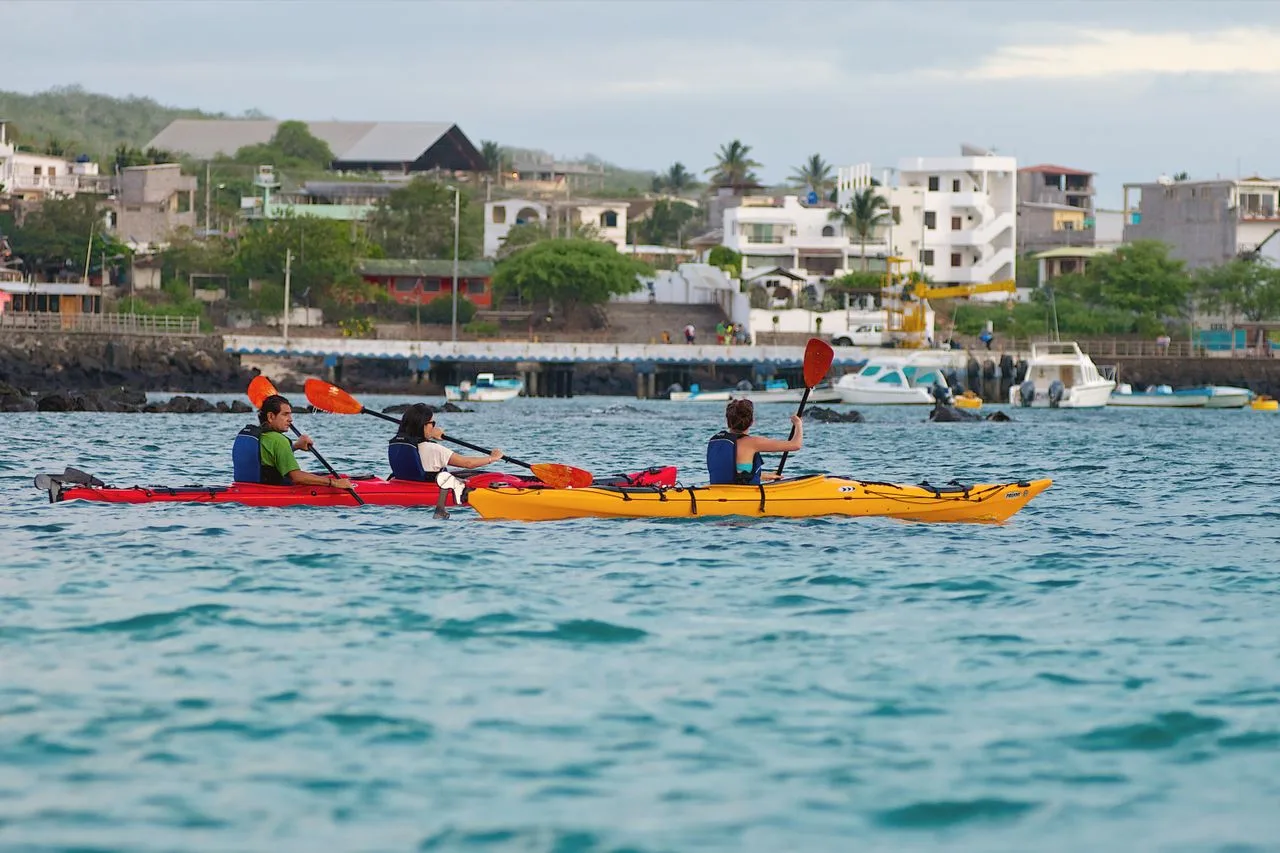
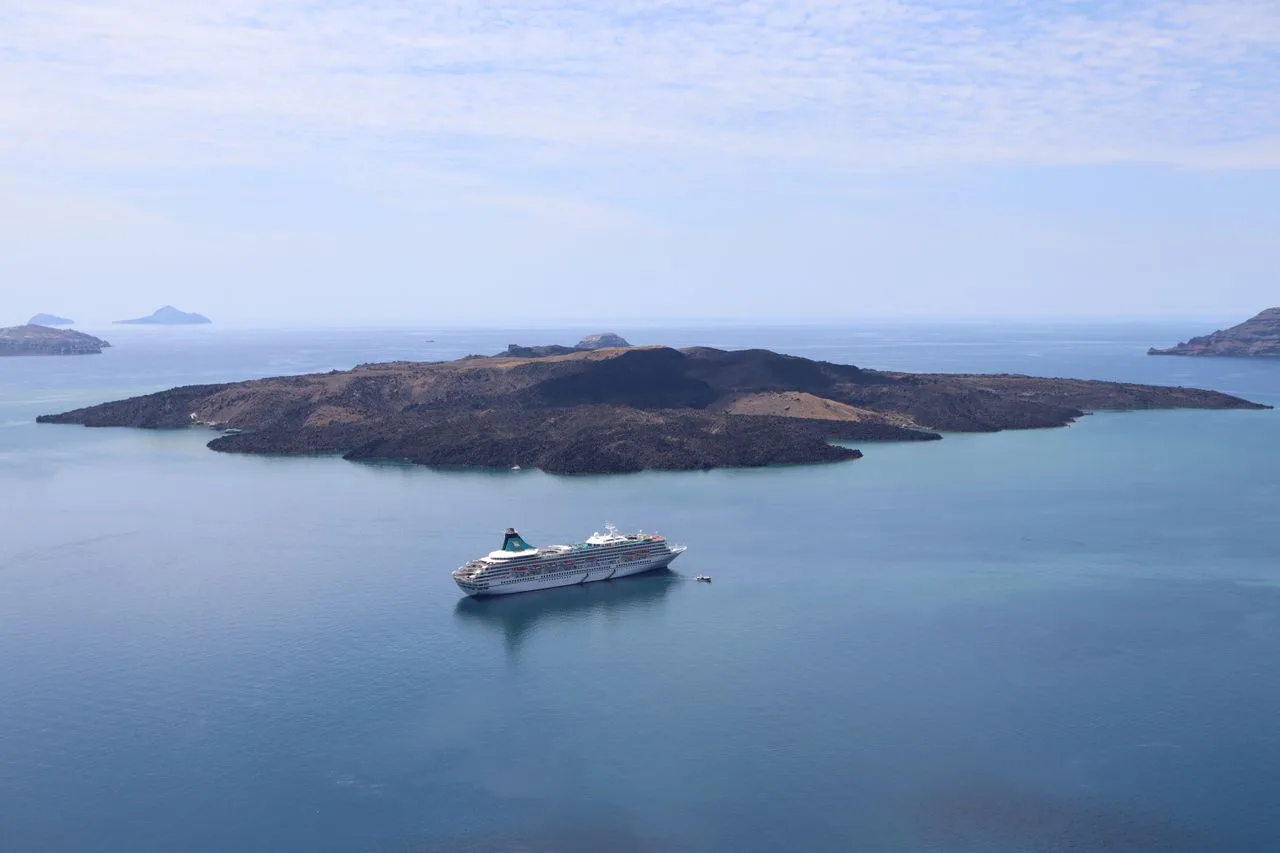
The ships are tiny. Ecuador caps visitor numbers, so the vessels licensed to sail here carry roughly a hundred passengers rather than four thousand. There is no theater, no casino and no third alternative dining venue. There is a naturalist, a fleet of Zodiacs, and a great deal of wildlife.
The itinerary is licensed, not chosen. Each ship is assigned specific landing sites on specific days by the National Park, and no two weeks are the same. This is why two sailings of the “same” cruise visit different islands, and why the day-by-day matters more here than anywhere else.
Almost everything is included: landings, Zodiac excursions, snorkeling kit, wetsuits, the guides. The fare looks high next to a Caribbean week and is not comparable to one.
What you will actually see
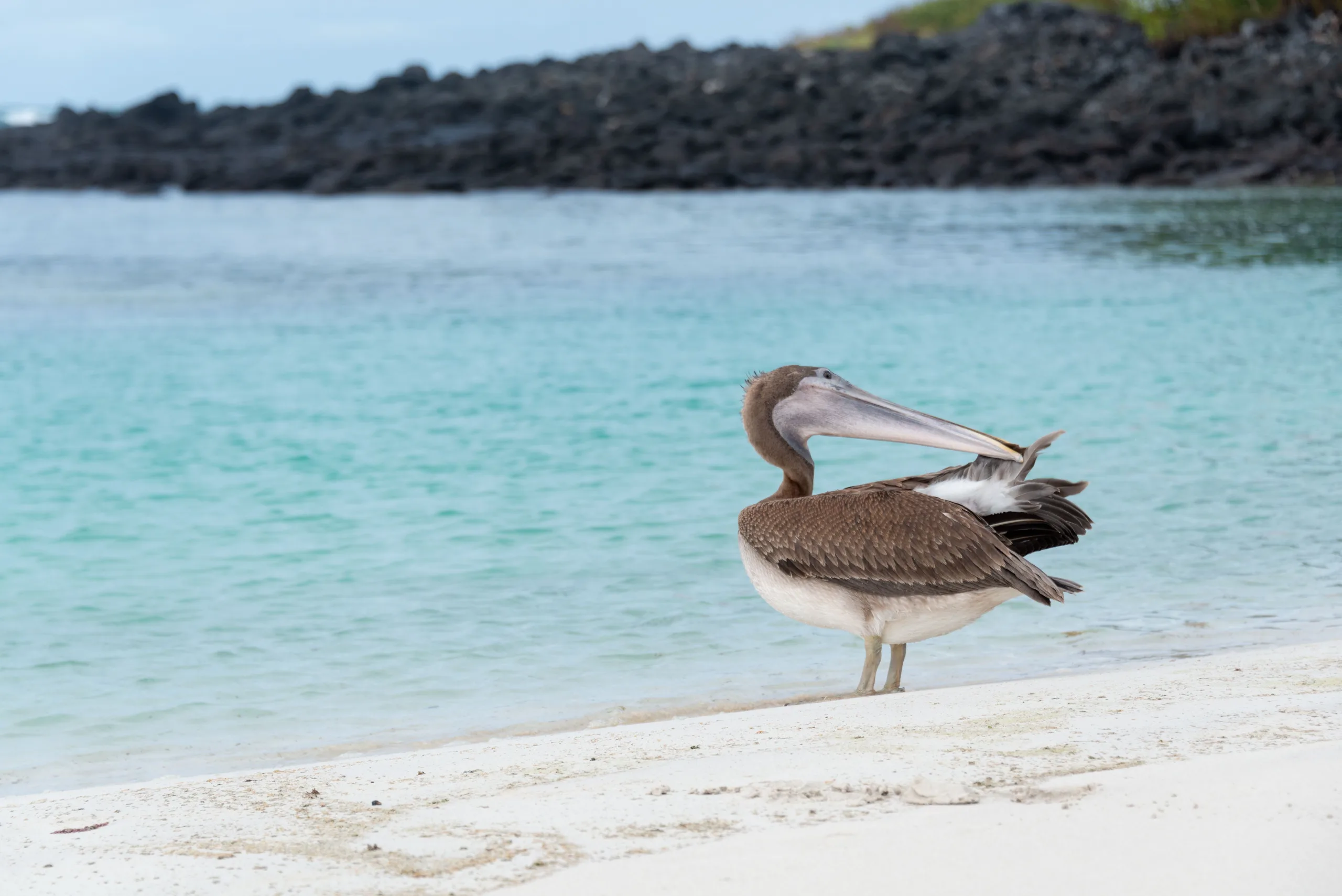
Blue-footed boobies nesting on the path, at your feet, without moving. Marine iguanas, the only sea-going lizard on earth. Giant tortoises in the highlands of Santa Cruz. Sea lions asleep on the landing steps. Snorkeling with penguins on the equator, which is as strange in person as it sounds.
The animals here evolved without land predators and have never learned to flee. The park’s two-meter rule exists to protect them, not you.
What to know before you book
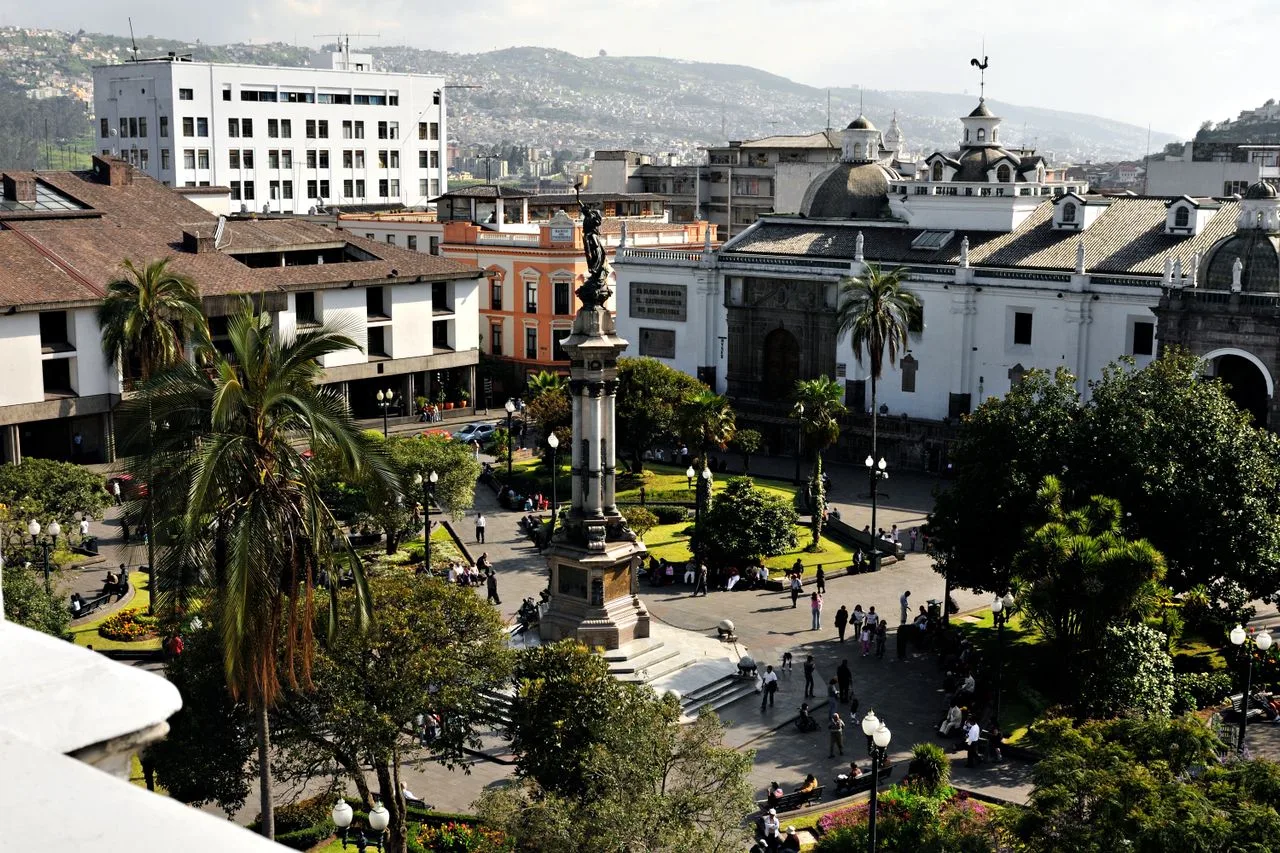
Budget the flights properly. You fly to Quito or Guayaquil, overnight, then take a domestic flight to Baltra or San Cristóbal. Plan a night either side; a missed connection is a missed ship.
There is a park fee, and it is payable in cash at the airport on arrival, on top of the fare.
Some fitness is required. Wet landings mean stepping off a Zodiac into the surf, and the trails are lava rock. It is not strenuous, but it is not a gangway either.